




Description
WHAT IS THIS PRODUCT?
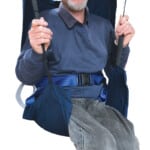
The Chair Pad Sling will hold the patient in a comfortable, safe position. Normally the patient’s bottom will be lower than their knees, so it would be difficult for them to slide out of the Sling. However, some patients may feel more secure knowing the Safety Belt is holding them in.
WHO IS THIS PRODUCT SUITABLE FOR?
There are various ways the Chair Pad Sling Safety Belt can be used, including to restrain the patient’s arms if necessary.
BRIEF INSTRUCTIONS FOR USE
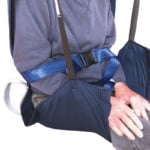
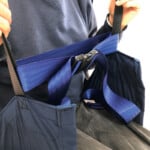
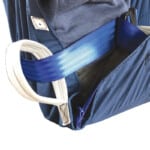
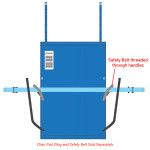
Pass the Safety Belt around the outside of the Sling, through the Pull Back Handles on the back of the Sling, then do up the buckle in front of the patient. The Belt can be passed through the Sling’s thigh webbing loops, or it can be done up directly around the patient. Adjust to the desired fit by sliding the webbing through the buckle, keeping in mind that the Belt should not need to be done up very tightly.
WHAT IS THIS PRODUCT MADE FROM?
Plastic, webbing.
Technical
STOCK KEEPING UNIT (SKU)
548B
SIZE
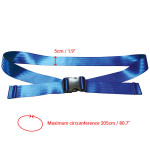
Length: 214cm / 84″
WEIGHT
0.15kg / 0.3lbs
GLOBAL MEDICAL DEVICE NUMBER (GMDN)
40535
GLOBAL TRADE ITEM NUMBER (GTIN)
9349145009532
Cleaning
CLEANING METHOD
Machine or hand wash .We recommend using a Pelican Washing Bag to help contain the product.
MAXIMUM WASHING TEMPERATURE
80°C / 176°F.
DETERGENT
Use a mild detergent. Do not use fabric softener. Fabric softener and excessive chlorine or bleach can damage any material, including Sling material. Slings should be continuously inspected for deterioration and discolouration, as this may be an early warning of possible failure.
DRYING METHOD
Air dry in the shade. Alternatively, tumble dry on a cool temperature and make sure the drum is cool.
CLEANING WARNING
Only use and store the product when it is dry.
Important
WARNING: Only use the Safety Belt as a restraint if all other alternatives have been tried. Ensure Restraint Authorisation has been obtained. Restrained patients should be kept under observation, as their behaviour may alter and another restraint may be more appropriate. Restraints are a prescribed item. The wrong restraint or the correct restraint incorrectly fitted, can cause injury or even death.
Alternative & Related Products
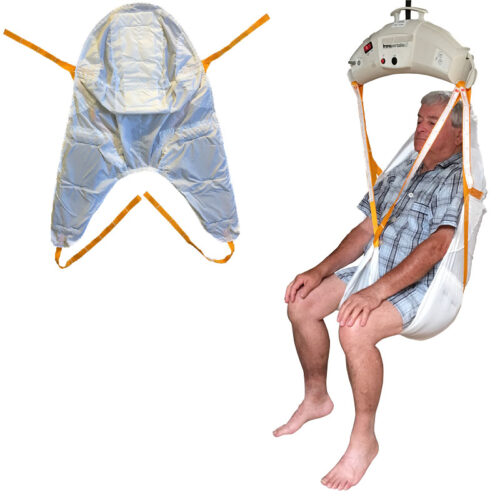

Dex Sling with Loops
A general-purpose sling with head support.
From AUD $380.00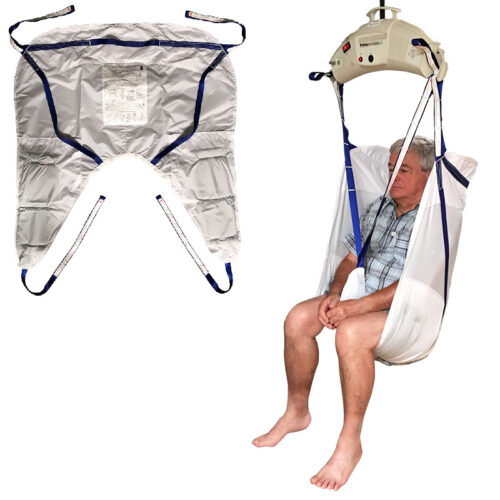

General Purpose Sling
Easy-to-use and suitable for a variety of lifting hoists.
From AUD $311.00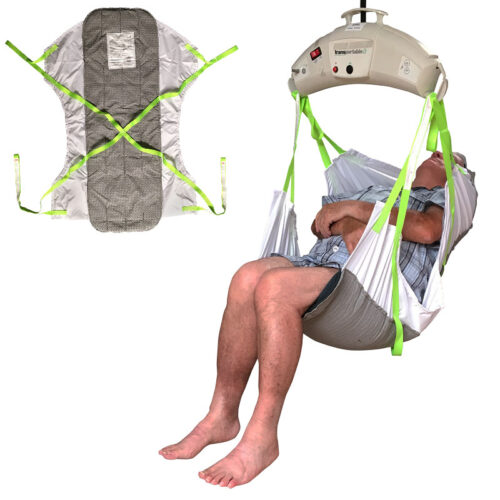

Hammock with Chair Pad Sling
Non-slip sling backing helps prevent bunching under patient.
AUD $468.00 + 10% US Tariff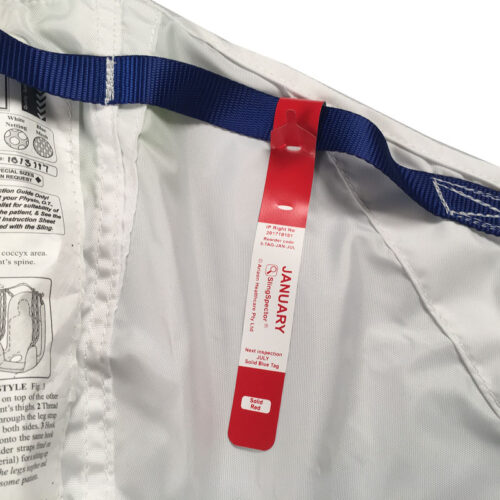
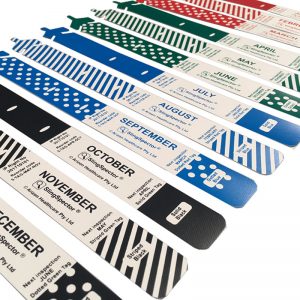
Sling Inspection Tags (40 Pack)
Colour-coded tags fitted to a sling to show it has been inspected.
From AUD $82.00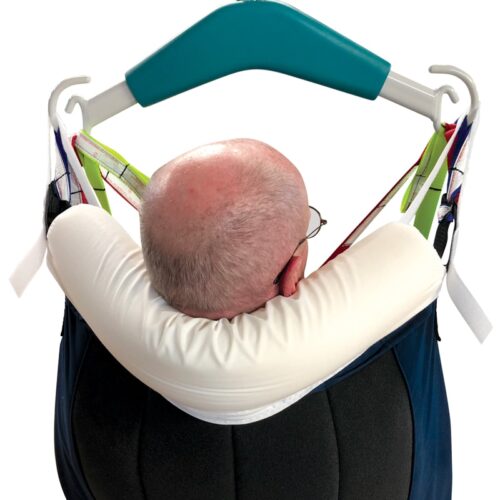

Sling Neck Support
Helps support the neck while using a lifting sling.
AUD $78.00 + 10% US Tariff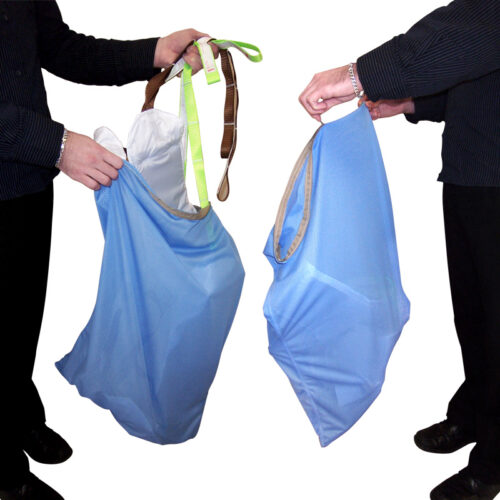
Washing Bag
Great for machine washing products with straps.
AUD $61.00 + 10% US Tariff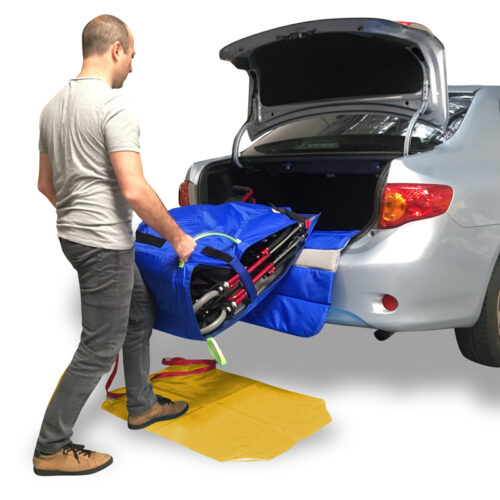

Wheelchair Boot Slider
Helps lift a wheelchair in and out of a car.
AUD $538.00 + 10% US Tariff