






Description
WHAT IS THIS PRODUCT?
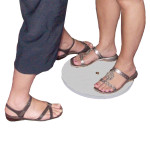
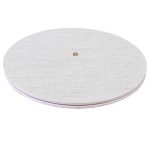
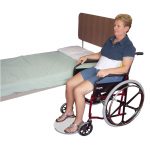
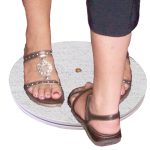
The Handi Turn is a turning disc which is helpful when transferring a standing Patient to or from a wheelchair to a chair, toilet, commode, bed, etc. The outer turning discs are made from plastic so you can use it in a bathroom. It should not distort if put on a wet floor, but be careful the inside bearings do not get wet.
WHO IS THIS PRODUCT SUITABLE FOR?
The Handi Turn is suitable for people who need helping transferring from wheelchair to bed/chair/etc. They may be frail or elderly, but must be weight-bearing.
BRIEF INSTRUCTIONS FOR USE
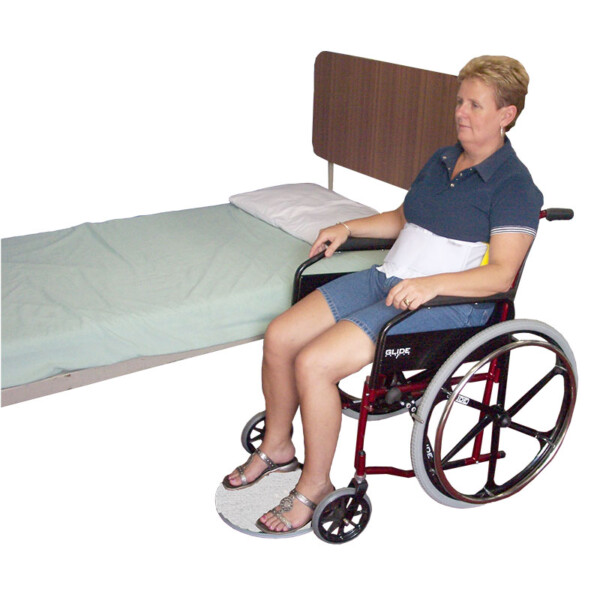
- Position the wheelchair as close as possible next to the a chair, toilet, etc., that you are transferring the Patient to or from. Once the wheelchair is in position, ensure the brakes are on and adjust the footplates either by lifting them up, swinging them to the side or removing them. It is possible that the Handi Turn could slip on some floor surfaces when the Patient stands up. This is particularly dangerous if their feet are not either side of the middle of the Handi Turn. To ensure that the Handi Turn does not slip, a Carer should place the edge of their foot on the side of the Handi Turn before the Patient stands up.
- Place the Patient’s feet on the Handi Turn.
- Prepare for standing. We suggest using a Handi Lift, Handi Lift Walk Belt or Soft Transfer Belt (all sold separately) to assist with the transfer.
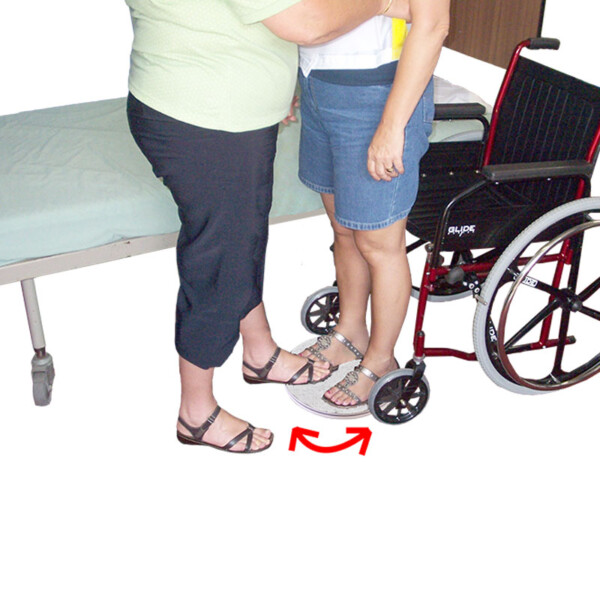
- Once the Patient is standing, turn the Handi Turn until the Patient is in position to sit down again. Then you can help lower them into a new chair, toilet, etc.
Carers often have preferred ways of turning Patients. However, we suggest the method below which avoids putting excess strain on the Patient’s body and gives good speed control during the turn.
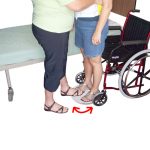
Once the Patient is standing, the Carer stands in front of them facing the direction of the turn, keeping the Patient steady. When ready to turn, for example, to the Patient’s left, the Carer places the side of the left foot onto the front edge of the Handi Turn and swivels it around with their left foot. It is easy to continue turning or stop. The Carer’s foot can be used as a brake by keeping the inside of the foot on the Handi Turn, and the outside of the foot and the heel on the floor. If turning the Patient towards the Patient’s right, the Carer uses their right foot to turn the Handi Turn. You may prefer to use alternative feet.
Some Carers prefer to put a foot in the middle of the Handi Turn with the Patient’s feet either side of the Carer’s foot. The Carer then uses their foot to turn the Handi Turn. We recommend staff practise, to gain confidence before transferring a Patient.
WHAT IS THIS PRODUCT MADE FROM?
Plastic.
Technical
STOCK KEEPING UNIT (SKU), SIZE, WEIGHT, GLOBAL TRADE ITEM NUMBER (GTIN)
| SKU | DETAILS | SIZE | WEIGHT | GTIN |
| 5190 | Standard | 33 cm / 13” Diameter | 1.63 kg / 3.6 lbs | 9349145004636 |
| 5190L | Large | 36 cm / 14” Diameter | 2.04 kg / 4.5 lbs | 9349145004643 |
GLOBAL MEDICAL DEVICE NUMBER (GMDN)
37162 Former SKU: 519 519L
TESTING
The Handi-Turn had 661.72 lbs resting on it for 20 minutes. After testing, it still turned with ease.
Cleaning
CLEANING METHOD
Wipe clean.
MAXIMUM WASHING TEMPERATURE
N/A
DETERGENT
Use a mild hospital grade disinfectant.
DRYING METHOD
Air dry in the shade.
CLEANING WARNING
Only use and store the product when it is dry. Test your cleaning chemicals on a discreet area to make sure it will not damage the material.
Important
General Manual Handling Warning: Manual Handling products are designed to assist Carers to help Patients. They will not make the Carer stronger or fitter, but with correct training and use of the products, should make manual handling easier and safer for both staff and Patients. When training, practise with an able-bodied colleague. If any procedure is not comfortable or is difficult and puts the Carer or Patient in a dangerous position, the participants should call out to stop the manoeuvre, recover and recommence. Never jeopardise your health by straining, twisting or being incorrectly positioned when manual handling. Always select the most appropriate equipment for the Patient’s current condition and if in doubt, use mechanical equipment. Ask your Manual Handling adviser for individual guidance.
Video
Alternative & Related Products
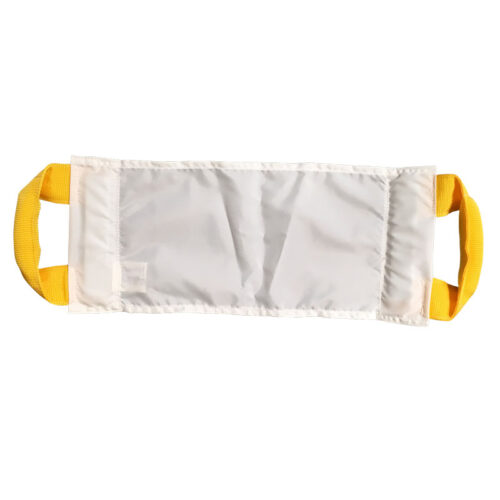
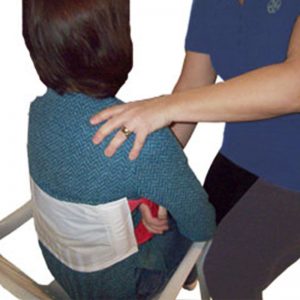
Handi Lift
A useful Patient transfer aid, transferring from bed to chair/wheelchair.
From AUD $61.00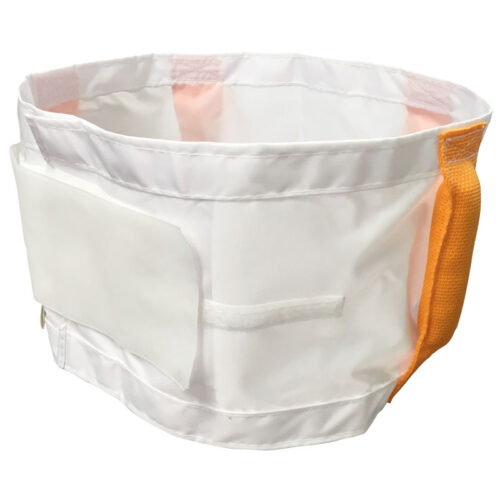

Handi Lift Walk Belt
A stand walking walking belt Hook & Loop Tape fastening.
From AUD $87.00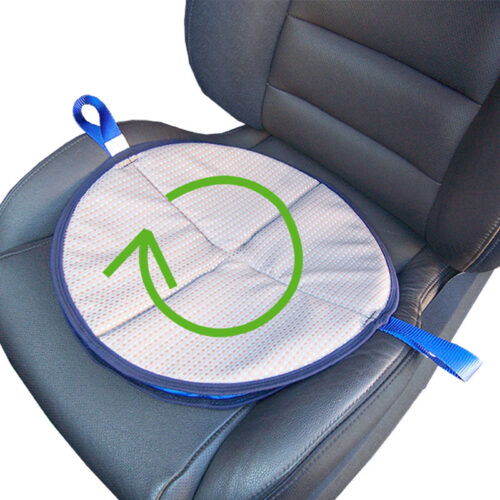

Handi Soft Turn Pad
A turning pad helping someone getting into or out of car.
From AUD $151.00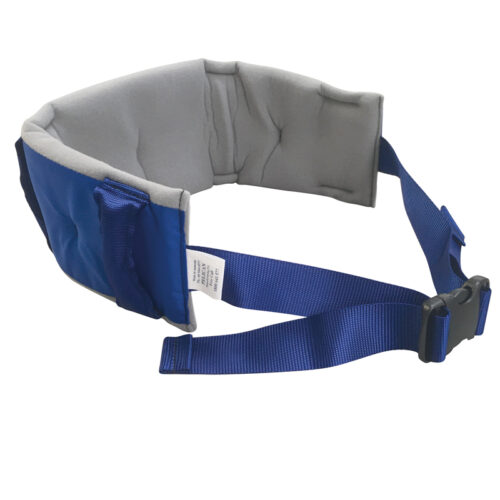

Soft Transfer Belt – Standard
A stand walking walking belt an adjustable webbing strap.
From AUD $116.00