










Description
WHAT IS THIS PRODUCT?
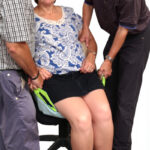
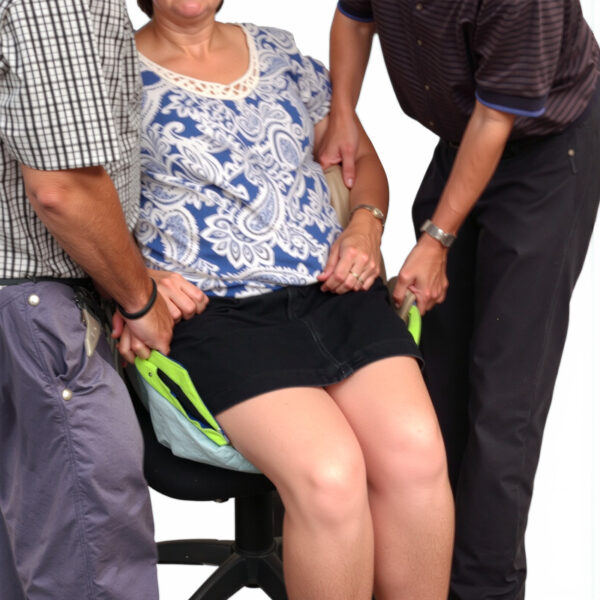
There are times when using a mechanical lifting hoist isn’t feasible outside of home settings. This could include scenarios like picnics, beach outings, boat transfers, or camping trips.
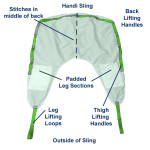
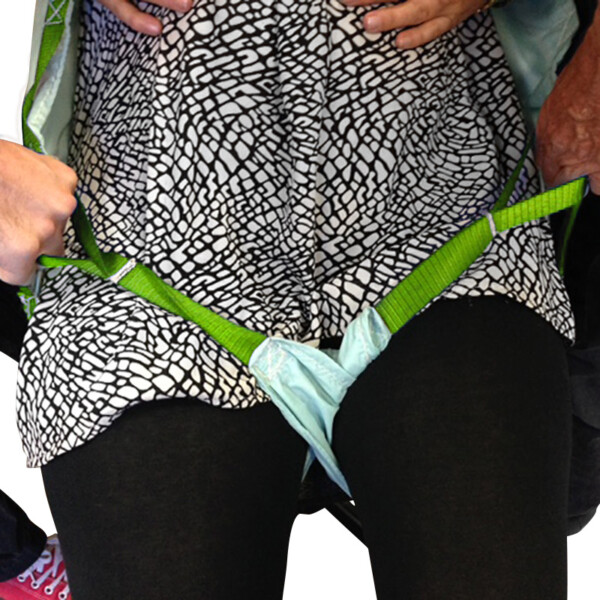
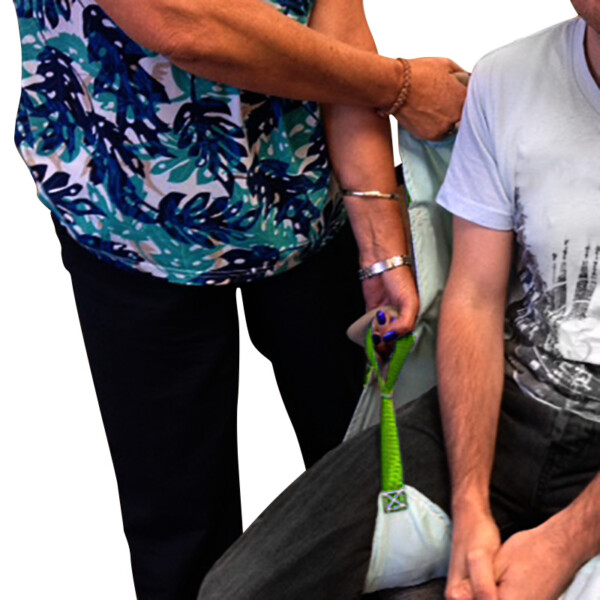
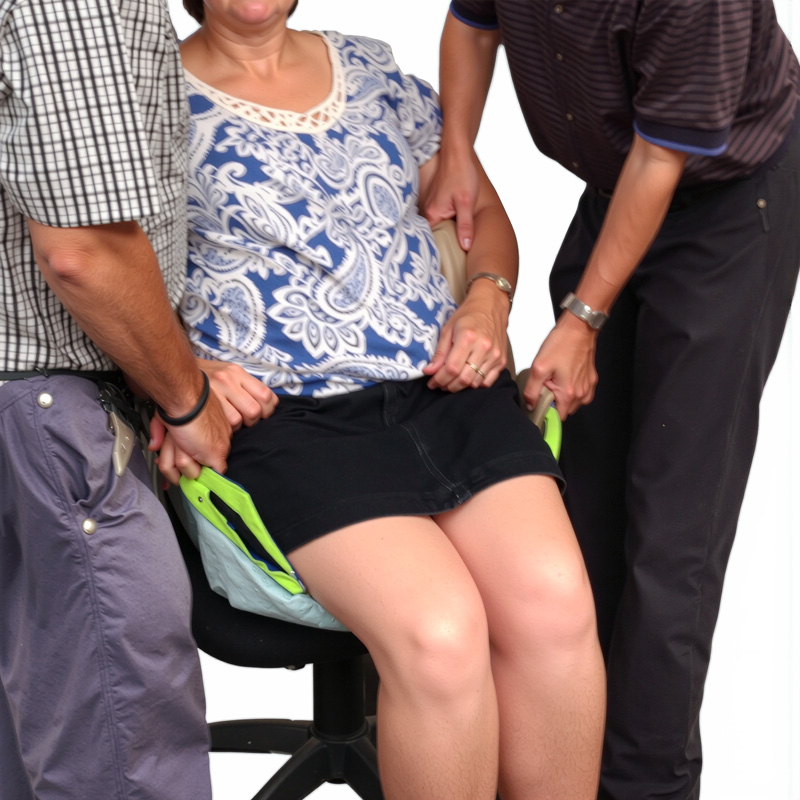
The Handi Sling opens new possibilities for increased activity without the need for a mechanical hoist. In designing this sling, we were highly conscious that manually lifting individuals goes against Manual Handling principles. Ensure that this product is right for you and your support people.
Click here to view the full range of Hoist Slings.
Sling & Hoist Compatibility: Click here for more information.
WHO IS THIS PRODUCT SUITABLE FOR?
This sling is suitable for people who can be safely transferred using a manual lift technique.
BRIEF INSTRUCTIONS FOR USE
Before use, it’s crucial to conduct a risk assessment involving individual carers and people. This assessment should include factors such as weight, co-operation of the person, and carer abilities. Any provided instructions, suggestions,
or videos serve as a guide only. A Manual Handling Trainer who is acquainted with the lift participants’ abilities and the person’s condition may modify our suggestions to suit specific carers and people.
Sizing is determined by the person’s sitting height, measured from under their bottom to their head. People of varying heights are nearly equal in sitting height, as leg length is not considered.
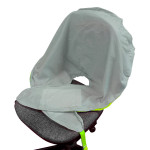
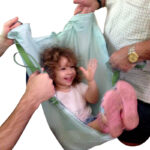
The material is constructed from a very strong yet thin, breathable nylon. It can be left under a person without necessarily affecting their pressure care. During ‘in house’ testing with individuals of different sizes, the Handi Sling (without Head Support) proved effective for individuals ranging from 153cm / 5’ to 185cm /6’. We also safely lifted a small 2-year-old child, wherein the back section acted as the Head Support.
Special slings, including bariatric sizes, can be made upon request.
WHAT IS THIS PRODUCT MADE FROM?
Nylon, webbing.
Technical
SKU # 5380 – Handi Sling
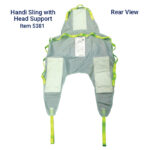
SKU # 5381 – Handi Sling with Head Support
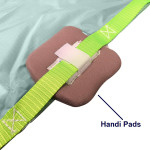
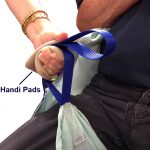
SKU # 5383 – Handi Pads (Set of 2)
Safe Working Load: 200kg / 440lbs (In accordance with ISO 10535:2011)
ARTG: 99879
GMDN: 40535
Attachment Method: Manual lift
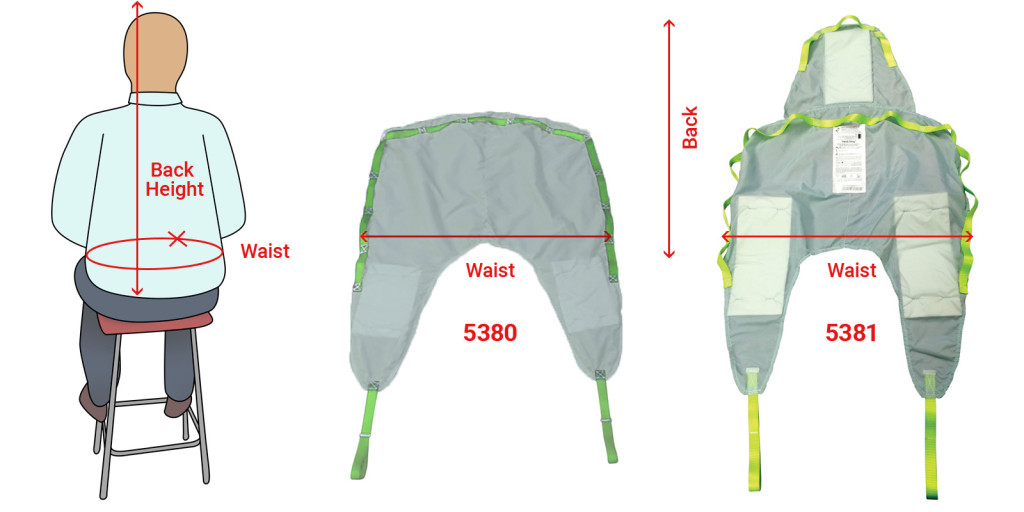
| SKU # | Size | Webbing | Waist |
Back |
| 5380 | Standard | Green | 83cm / 32.6″ | 52cm / 20.5″ |
| 5381 | Standard with Head Support | Green | 83cm / 32.6″ | 88cm / 34.6″ |
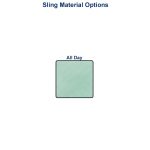
Materials Available:
| Material | Photo | Type | Notes |
| All Day Sling Material |  |
Nylon | A strong, thin material with a Rip Stop thread in the material, to help reduce or prevent ripping. As the material is breathable the Slings can be left under the patients sitting in chairs. This reduces the need to remove the Sling after the patient has been hoisted into a chair, and then replace the Sling to pick them up again. |
See the FAQ’S tab for more information.
Cleaning
CLEANING METHOD – SEWN VERSION
Machine or hand wash .We recommend using a Pelican Washing Bag to help contain the product.
MAXIMUM WASHING TEMPERATURE
80°C / 176°F.
DETERGENT
Use a mild detergent. Do not use fabric softener. Fabric softener and excessive chlorine or bleach can damage any material, including Sling material. Slings should be continuously inspected for deterioration and discolouration, as this may be an early warning of possible failure.
DRYING METHOD
Air dry in the shade. Alternatively, tumble dry on a cool temperature and make sure the drum is cool.
CLEANING WARNING
Only use and store the product when it is dry.
Important
Warning: Inspect slings before every use. If any damage is found the Sling must be withdrawn from service and repaired, if possible.
Warning: If you are leaving a sling made in the All Day Sling material under a person, always ensure that there will be no adverse pressure care issues. This includes checking that the attachment method (e.g. webbing loops, keyhole plates, etc.), are not positioned in such a way that may hurt the person. The actual material is very thin and it should not cause a pressure problem, but patient’s skin integrity should be regularly checked, just in case the sling is causing a pressure problem. If there are any early signs of pressure problems, discontinue using this design of sling.
Disposal: When the Sling is ready for disposal, we suggest the Lifting straps are cut off, so it cannot be used with another patient.
Sling & Hoist Compatibility: Click here for more information.
Sling Life Expectancy: Click here for more information.
What the International Standard ISO 10535:2011 requires for Period Sling Inspections and Sling Labelling: Click here for more information.
Sling Inspection Before Use Checklist: Click here to download.
6 Monthly Thorough Sling Inspection Checklist: Click here to download.
Online Sling Inspection Training: For excellent guidance on how to do inspections, check out this course on the Udemy learning platform. On completion of the course you will receive a certificate, which makes staff education simple. This training is in addition to the training offered by your organisation. The course covers:
- How the do a Sling Inspection Before Use
- How to do a 6 Monthly Thorough Sling Inspection
- What the labelling requirements are
- Example of sling damage
- How to safely mark a sling
FAQ's
Do I need to do Sling inspections?
Yes – see the Important Information tab for more information.
What are the Sling inspection requirements?
See the Important Information tab for more information. We’ve paraphrased the International Standard 10535:2011 under licence, detailing exactly what is required.
Where can I find the inspection checklists?
See the Important Information tab for more information. We provide the following checklists:
- Sling Inspection Before Use
- 6 Monthly Thorough Sling Inspection
Alternative & Related Products
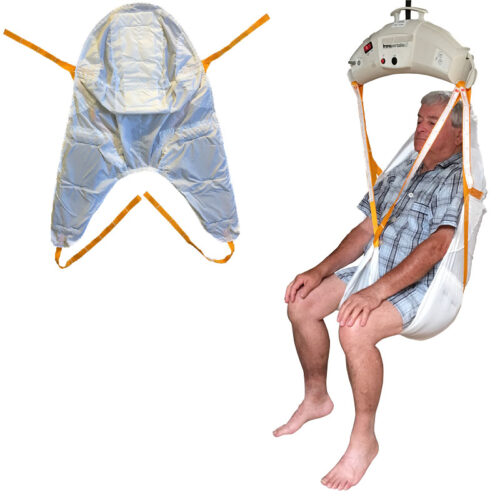

Dex Sling with Loops
A general-purpose sling with head support.
From AUD $380.00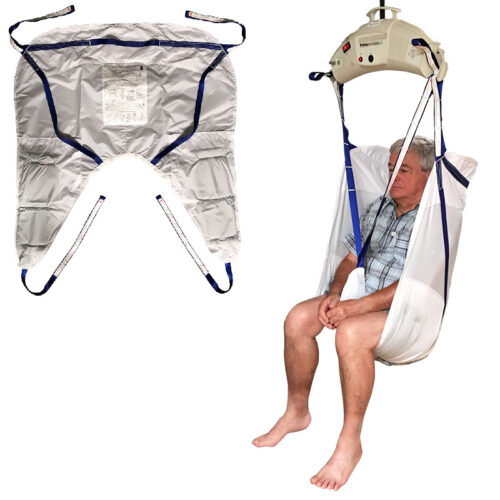

General Purpose Sling
Easy-to-use and suitable for a variety of lifting hoists.
From AUD $311.00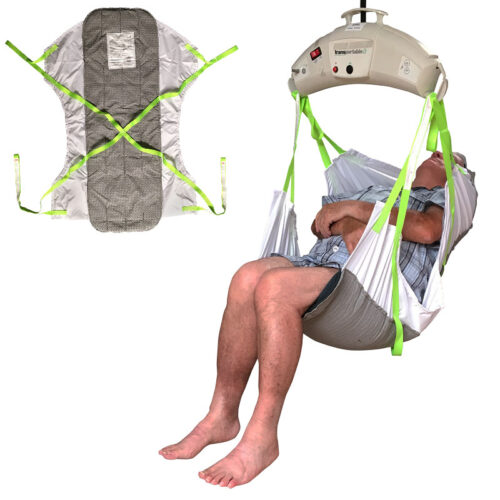

Hammock with Chair Pad Sling
Non-slip sling backing helps prevent bunching under patient.
AUD $468.00 + 10% US Tariff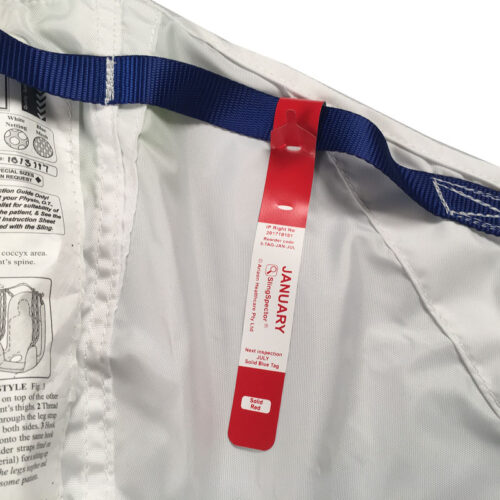
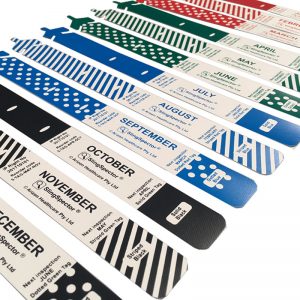
Sling Inspection Tags (40 Pack)
Colour-coded tags fitted to a sling to show it has been inspected.
From AUD $82.00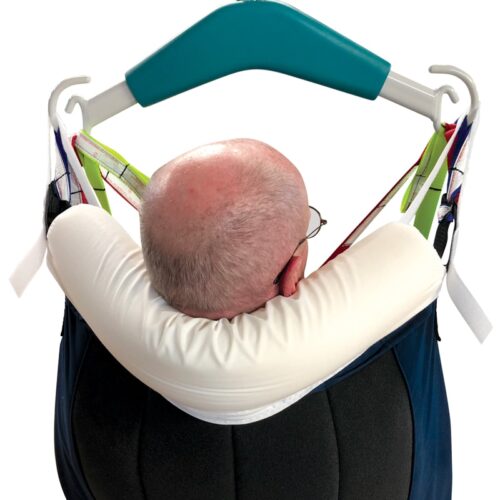

Sling Neck Support
Helps support the neck while using a lifting sling.
AUD $78.00 + 10% US Tariff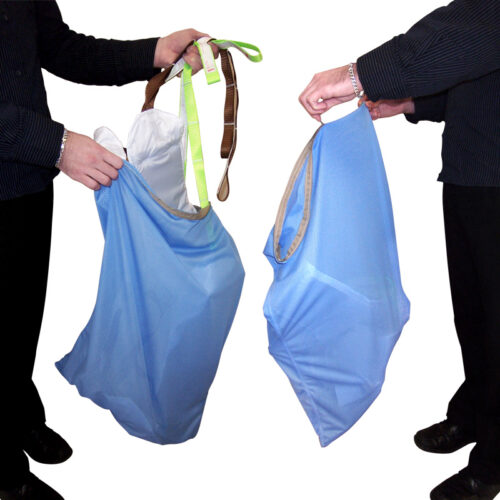
Washing Bag
Great for machine washing products with straps.
AUD $61.00 + 10% US Tariff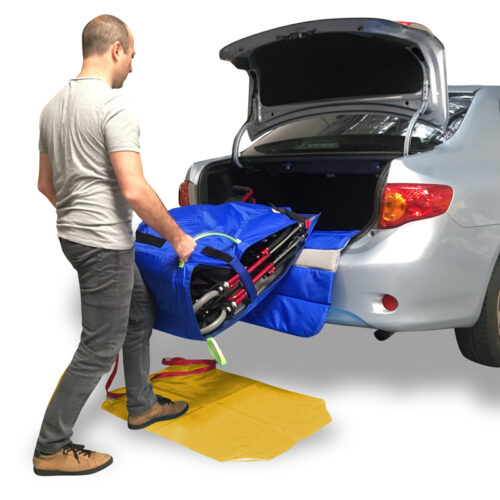

Wheelchair Boot Slider
Helps lift a wheelchair in and out of a car.
AUD $538.00 + 10% US Tariff